How to Use AI to Learn

The real question today is no longer “What is Artificial Intelligence?” instead, we must ask:
How can we use AI to actually learn better?
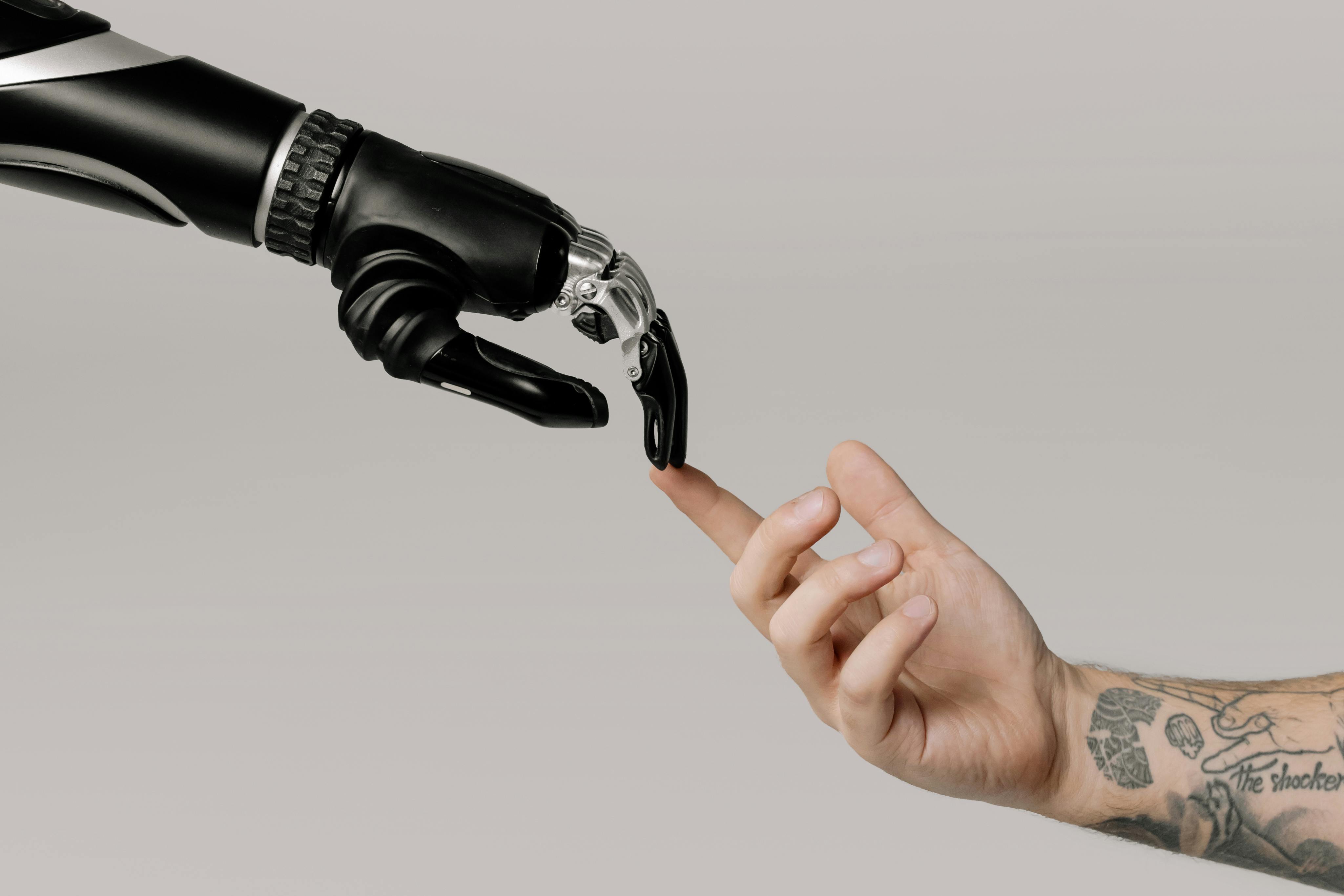
Modern AI-powered learning platforms are redefining the educational landscape by replacing static modules with personalized, intelligent environments. We are moving away from the era of fixed digital textbooks and entering a time where students interact with systems that evolve alongside them in real-time.
From Static Content to Adaptive Learning
Traditional learning platforms typically deliver a "one-size-fits-all" experience, where every student follows the same linear path regardless of their background or speed. AI fundamentally disrupts this model. In a modern adaptive ecosystem, the platform acts less like a library and more like a private tutor.
When a student engages with an AI-powered platform, the system begins by deeply understanding their specific objectives. It doesn't just surface text; it orchestrates specialized AI agents tailored to the subject matter. These agents track comprehension at every turn, subtly adjusting the teaching methodology—switching from theoretical explanations to practical examples if it senses the learner is struggling. This creates a dynamic feedback loop where the system suggests personalized improvements, ensuring the student never feels lost or stagnant.
The Art of Effective AI Learning
The true power of AI is unlocked only when it is used intentionally. It is not a magic wand, but a sophisticated tool that requires a strategic approach from the learner.
Effective learning begins with clear intent. Rather than tossing random queries at a chatbot, a student achieves mastery by defining their starting level and their desired outcome. This clarity allows the AI to diagnose current knowledge gaps accurately, adjusting the difficulty curve to stay within the "Goldilocks Zone"—challenging enough to prevent boredom, but accessible enough to avoid frustration.
Furthermore, AI transforms the student from a passive consumer into an active participant. Instead of merely reading, learners can use the system to simulate real-world problems, generate custom exercises, and relentlessly ask "why" until a concept clicks. Whether a student prefers visual diagrams or text-heavy theory, the AI adapts its delivery style to match their cognitive strengths.
The Engine Behind the Experience
Behind the seamless user interface of enterprise-grade platforms lies a robust technical infrastructure. These systems are built on intelligent agent orchestration and secure cloud-native scalability. This "engine room" is what allows the platform to be both flexible and safe.
Security and governance are not afterthoughts; they are the foundation. By utilizing sophisticated identity management and role-based access controls, these platforms ensure that learning data remains protected and that the AI’s behavior is always auditable. This turns a simple educational tool into a secure, governed AI ecosystem capable of scaling to thousands of users without losing the personal touch.
A Student-Centered Future
The impact of this technology is profound. By identifying weaknesses early and providing continuous, instantaneous feedback, adaptive platforms allow education to become living and evolving.
The future of learning is not about AI replacing the human element of teaching. Rather, it is about:
- Amplifying the student's natural curiosity.
- Assisting educators by removing the burden of repetitive tasks.
- Creating a level of personalization that was previously impossible at scale.
We are entering an era of student-centered education, where the system finally bends to the needs of the individual, rather than forcing the individual to conform to the system. The key to our success lies in how intentionally and intelligently we design these pathways today.